


All-on-4 & Full-Arch Dental Implants in Skokie
A fixed smile starts with a plan built around you.
If you are living with failing teeth, missing teeth or uncomfortable dentures, full-arch implants may help restore comfort and confidence.
At Crown Dental Club, a periodontist and prosthodontist plan your care together, from evaluating what can be saved to designing your replacement teeth.
Complimentary consultation with a specialist, including 3D imaging. Allow approximately one hour.
Located in Skokie. Serving patients throughout Greater Chicago.

- Board-certified periodontist and implant surgeon
- Prosthodontist specializing in complex restorative care
- Surgical and restorative treatment planned together
- Follow-up and maintenance with your treating team
Featured patient case
See What Carefully Planned Treatment Can Achieve
Every patient starts with different needs.
Replacing missing or failing teeth with a fixed full-arch restoration can mean more than a renewed smile. The goal is to help you chew comfortably, enjoy meals and feel more confident smiling, speaking and spending time with others.
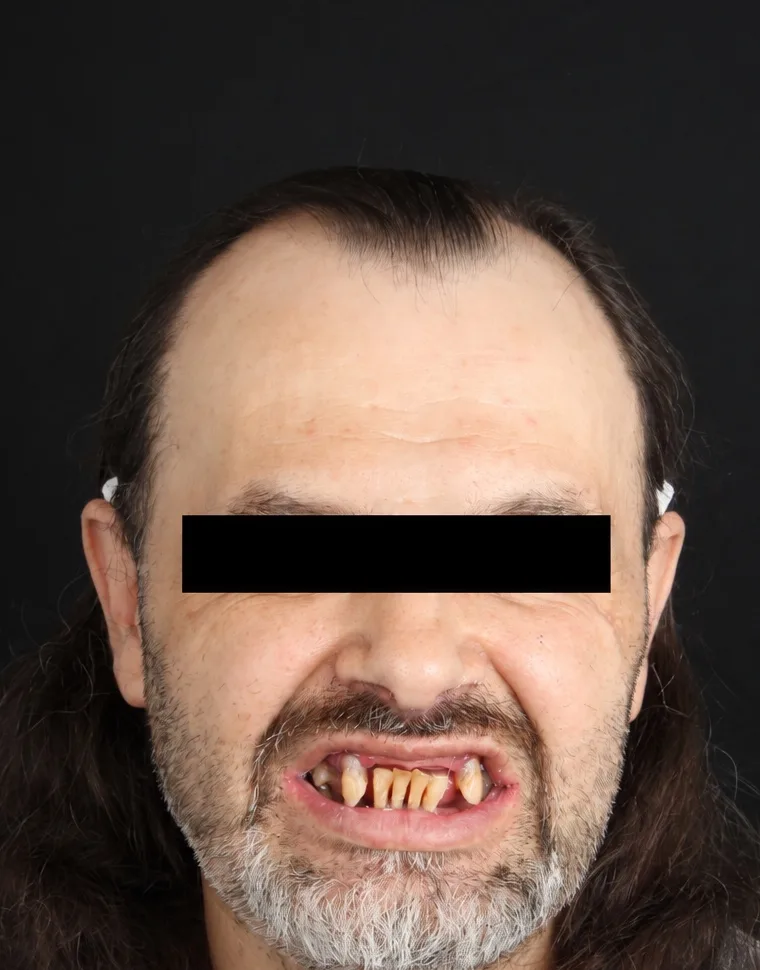
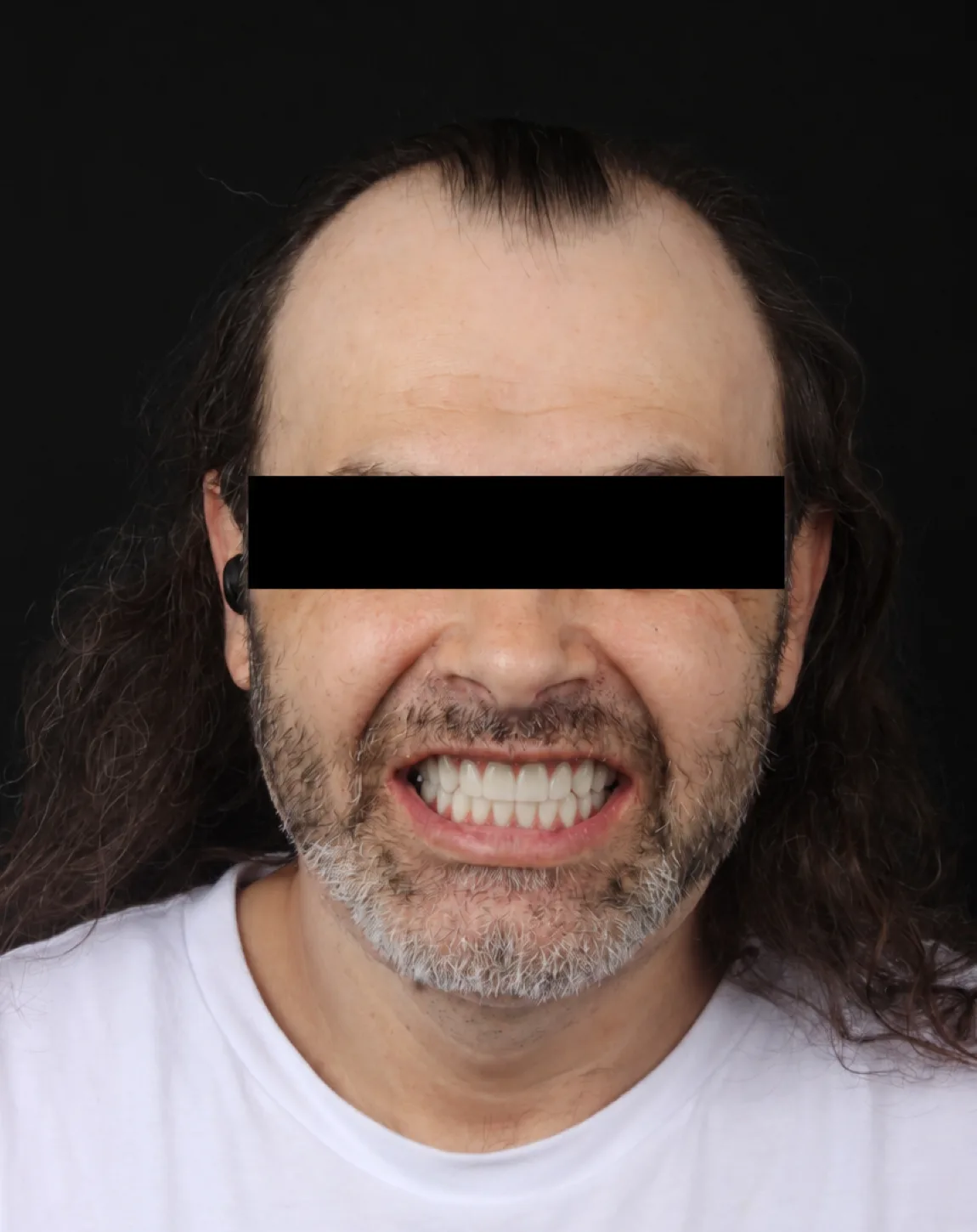
- Starting point
- Many missing teeth, constant dental pain and dissatisfaction with the appearance of the teeth, affecting confidence in social situations.
- Treatment
- Removal of all remaining failed teeth, implant placement in the upper and lower jaws, and fixed full-arch restorations for both arches.
- Result shown
- The final, permanent set of upper and lower teeth.
- Restorative clinician
- Dr. Paul Sung
Individual results vary. Your options depend on an examination and appropriate records.
Plain-language guide
What Are All-on-4 and All-on-X Dental Implants?
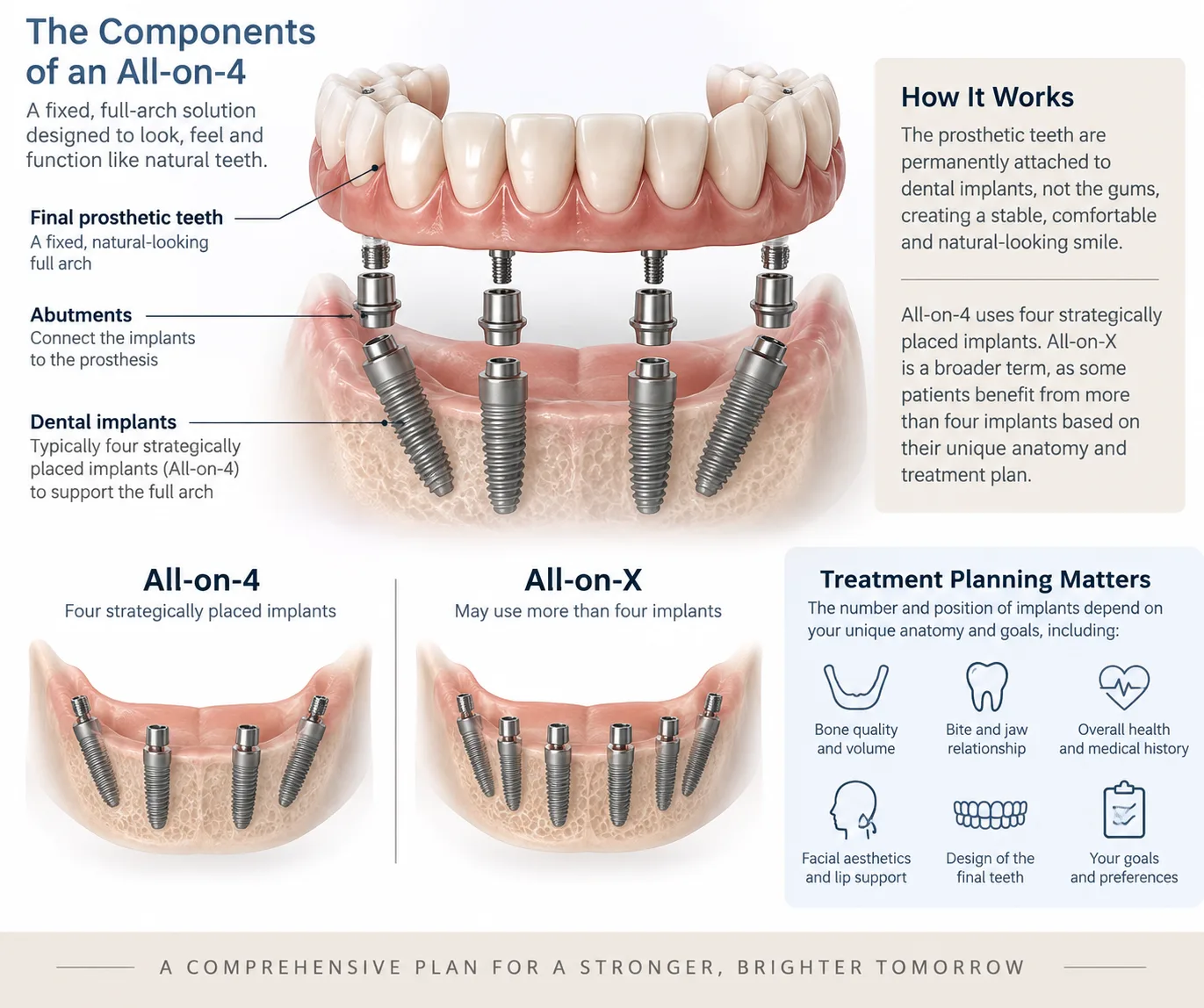
A fixed full-arch restoration replaces an upper or lower set of teeth and attaches to dental implants. You do not remove it yourself each day.
All-on-4 describes an approach using four implants. All-on-X is a broader term because some treatment plans use more than four.
The appropriate number and position of implants depend on your anatomy, bone, bite and the design of your replacement teeth.
A careful decision
Could Full-Arch Implants Be Right for You?
An evaluation may be helpful if:
- You are missing most or all of your teeth.
- Several teeth are failing or have required repeated treatment.
- Your dentures move or limit what you can eat.
- You have been advised to remove teeth and want to understand your options.
Whether you are dealing with repeated repairs, uncomfortable dentures or uncertainty about a major treatment plan, we will listen without judgment and explain your options clearly.
Understand Your Options Before Removing Teeth
Removing natural teeth is irreversible. We evaluate which teeth can be predictably maintained and whether a fixed full-arch restoration is appropriate.
Your options may include preserving and rebuilding teeth, replacing selected teeth with implants or bridges, an implant-supported removable denture, or fixed full-arch treatment.
We will explain the benefits, limitations and treatment sequence of the options that fit your situation.
Compare full-arch implants with other treatment options
| Approach | Who it may suit | Fixed or removable | Natural teeth preserved? | Stages | Cleaning and key limits |
|---|---|---|---|---|---|
| Preserve and rebuild natural teeth | People with maintainable teeth and a restorable bite | Fixed | Yes | Often several | Daily home care and professional maintenance; depends on the strength of remaining teeth |
| Individual implants and bridges | Localized missing or failing teeth | Fixed | Often | One or more | Clean around each implant; may not fit widespread tooth failure |
| Implant-supported overdenture | People seeking improved denture stability and easier removal for cleaning | Removable | Usually not within that arch | One or more | Removed daily; attachments can wear and need service |
| Fixed full-arch implants | Extensive tooth loss or teeth that cannot be predictably restored | Fixed by the dental team | Not within the treated arch | Provisional, healing and final stages | Special cleaning under the arch; repairs and component checks may be needed |
| Staged or combined treatment | Complex cases needing grafting, infection control or different solutions by area | Varies | When appropriate | Often several | Longer sequence, but may protect anatomy or improve predictability |
What if my case is more complex?
Your treatment may require additional planning if:
- There is significant bone loss or active infection
- Medical conditions are not controlled
- You smoke or use nicotine
- Medications may affect healing
- You grind or place heavy forces on your bite
- Sinus or nerve anatomy is complex
- Previous treatment created aesthetic or functional problems
These factors do not automatically rule out treatment. They help determine which approach is safest and most predictable.
Two Specialists. One Coordinated Treatment Plan.
Your implant placement and replacement teeth are planned together from the beginning.

Scott Drucker, DMD, MS
Board-certified periodontist and implant surgeon
Dr. Drucker leads the surgical side of care, including implant placement and bone and soft-tissue treatment. His planning focuses on the foundation supporting your implants and its long-term health.

Paul Sung, DDS, MS
Prosthodontist
Dr. Sung leads the restorative side of care, including the design of your replacement teeth. His planning considers appearance, bite, speech, comfort and access for cleaning.
“Our responsibility is not to recommend the same procedure to every patient. It is to determine which treatment provides the strongest foundation for that person’s long-term health, function, and confidence. Every patient brings different needs, anatomy, and challenges, so both the treatment plan and the final restoration must be designed for the individual.”
— Scott Drucker, DMD, MS
One team, one sequence
A Complete Plan From Diagnosis Through Long-Term Care
Comprehensive evaluation and records
We review your concerns, health, teeth and gums. CBCT imaging, digital scans, photography and bite analysis define the clinical starting point.
Options and coordinated planning
We compare preservation and replacement options, then coordinate implant positions, provisional teeth, bite and the final restoration as one case.
Surgery and provisional teeth
Implants are placed. When clinical conditions support it, fixed provisional teeth may be delivered the same day or the following day.
Healing, follow-up and refinement
Follow-up checks monitor healing and function. During healing, we assess your temporary teeth and refine their fit, bite and appearance.
Final restoration and long-term care
Your final teeth are delivered when your treating team confirms you are ready and you have reviewed their function and appearance. Ongoing reviews protect the implants, tissues, bite and restoration.
When will I receive my teeth?
When clinical conditions support it, fixed provisional teeth may be delivered on the day of surgery or the following day. These are temporary teeth used during healing.
Your final restoration comes later. Before treatment begins, we will explain your expected timeline, any preparatory treatment and the follow-up visits involved.
Immediate loading depends on implant stability, bone quality, infection, medical health and bite forces. The implants still need several months to heal and integrate with the bone.
Before, during and after treatment
What to Expect Throughout Full-Arch Treatment
The details vary by patient, but the plan should make the sequence, comfort options and long-term responsibilities clear before treatment begins.
Sedation, safety and postoperative support
Your health history, medications and CBCT findings are reviewed before treatment. Planning may address antibiotics, pain control, medication adjustments and coordination with your physicians.
Crown supports local anesthesia, nitrous oxide and oral sedation. IV sedation is available on site with a dental anesthesiologist. After treatment, patients receive written instructions, medication guidance, follow-up checks and the doctors’ direct cell phone numbers for postoperative concerns.
Designing and refining your smile
The team considers facial proportions, tooth position, shape and shade, lip support, speech, bite, strength and ease of cleaning. Feedback from the provisional restoration helps refine comfort and appearance before the final teeth are made.
Maintenance and restoration repairs
Implants do not develop cavities, but the tissues and restoration still require daily cleaning and professional maintenance. Follow-up may include imaging, bite monitoring, screw checks and management of grinding.
If a restoration chips, loosens or needs repair, prompt evaluation helps identify the affected component and prevent additional stress on the system.
TRANSFORMATIVE CARE
Thoughtfully Planned. Uniquely Personal.
Every smile has a different starting point. Explore before-and-after results from Crown Dental Club patients, with care thoughtfully planned around their individual needs, goals, and long-term oral health. The cases below feature treatment by Dr. Paul Sung. Eyes have been obscured where patients requested additional privacy.
Replacing Ill-Fitting Dentures
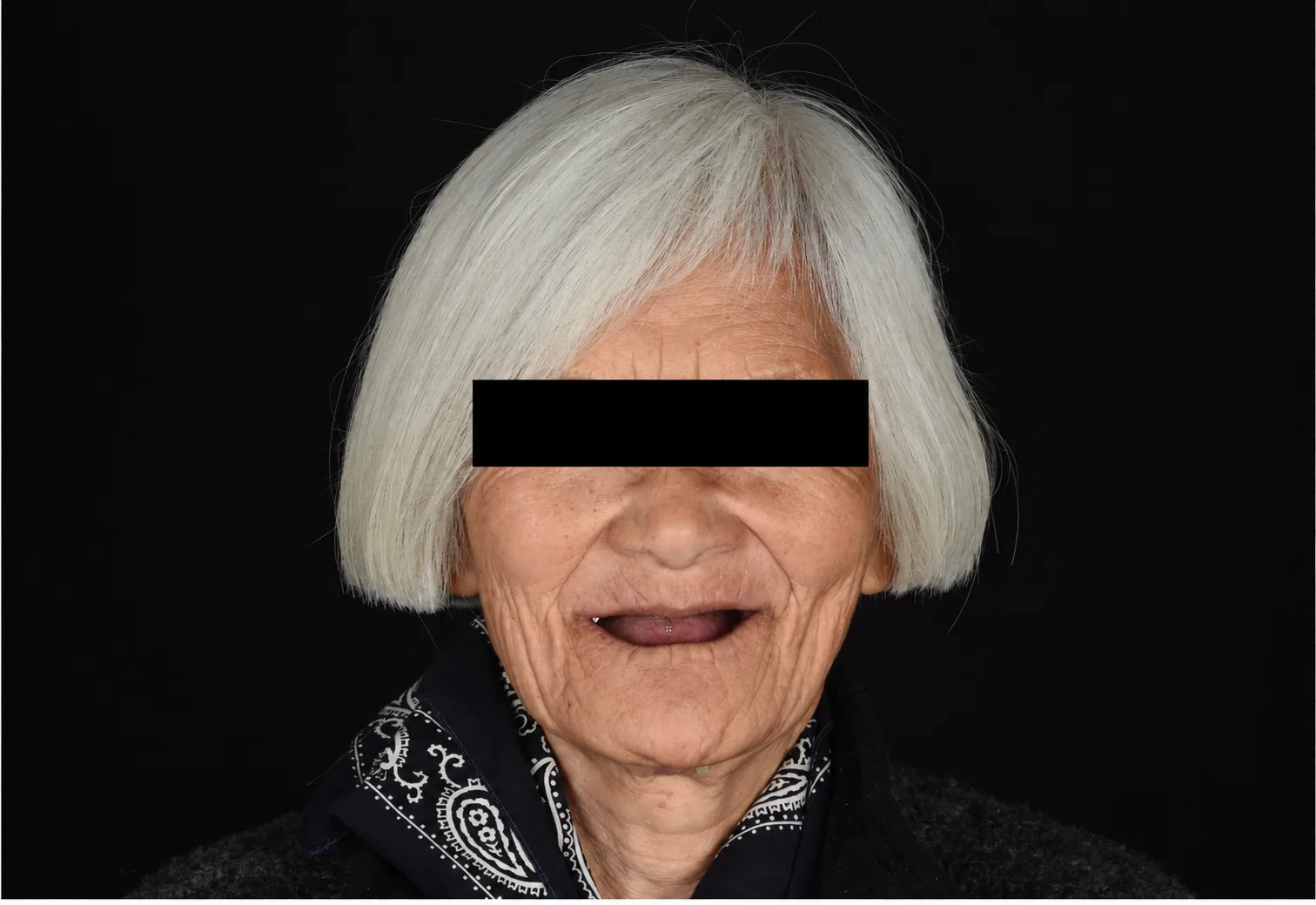
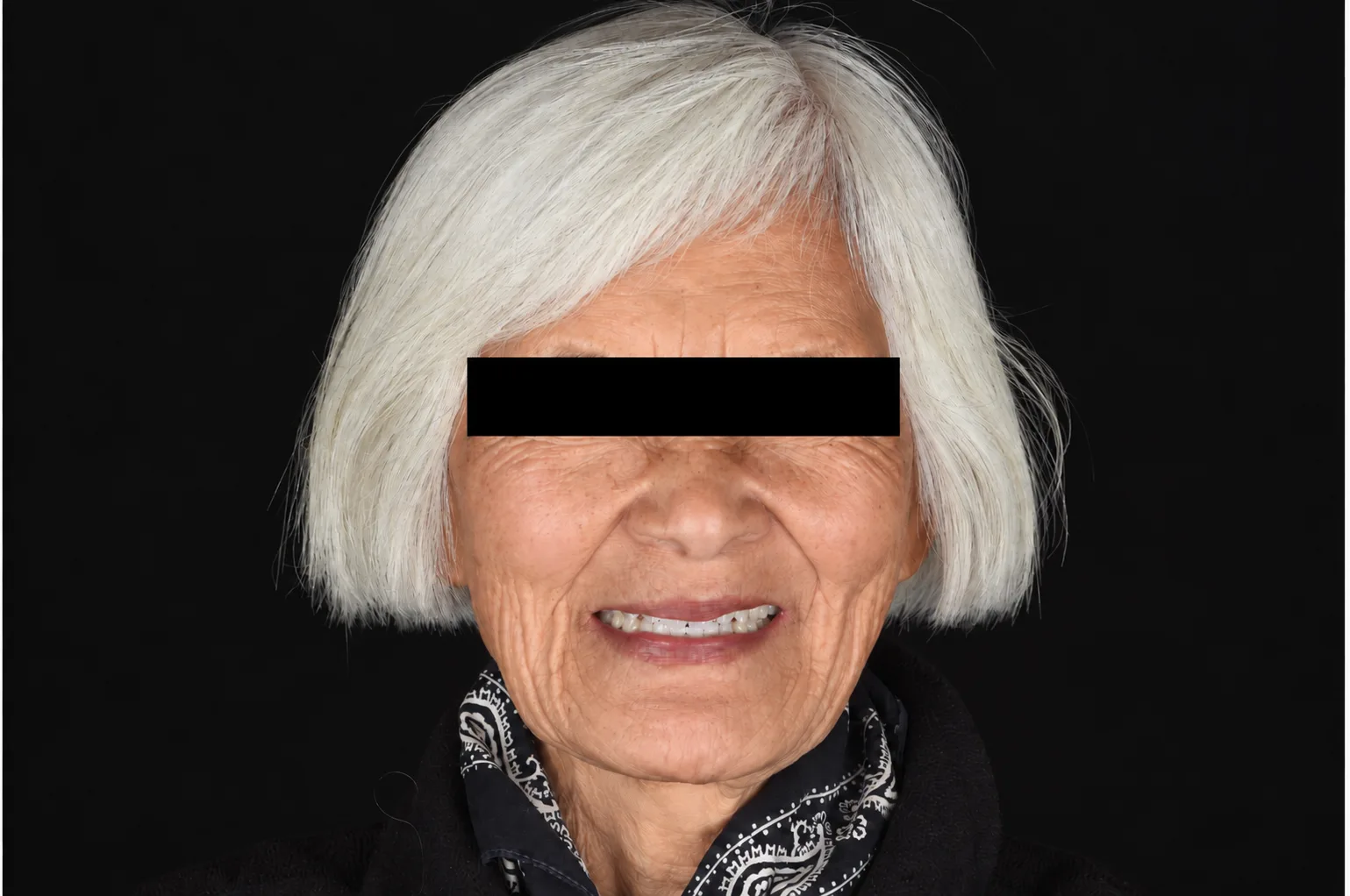
- Starting point
- Missing all natural teeth and wearing ill-fitting dentures.
- Treatment
- Implant placement in the upper and lower jaws, and fixed full-arch restorations for both arches
- Result shown
- Final, permanent set of upper and lower teeth
- Restorative clinician
- Dr. Paul Sung
Replacing Missing and Failing Teeth
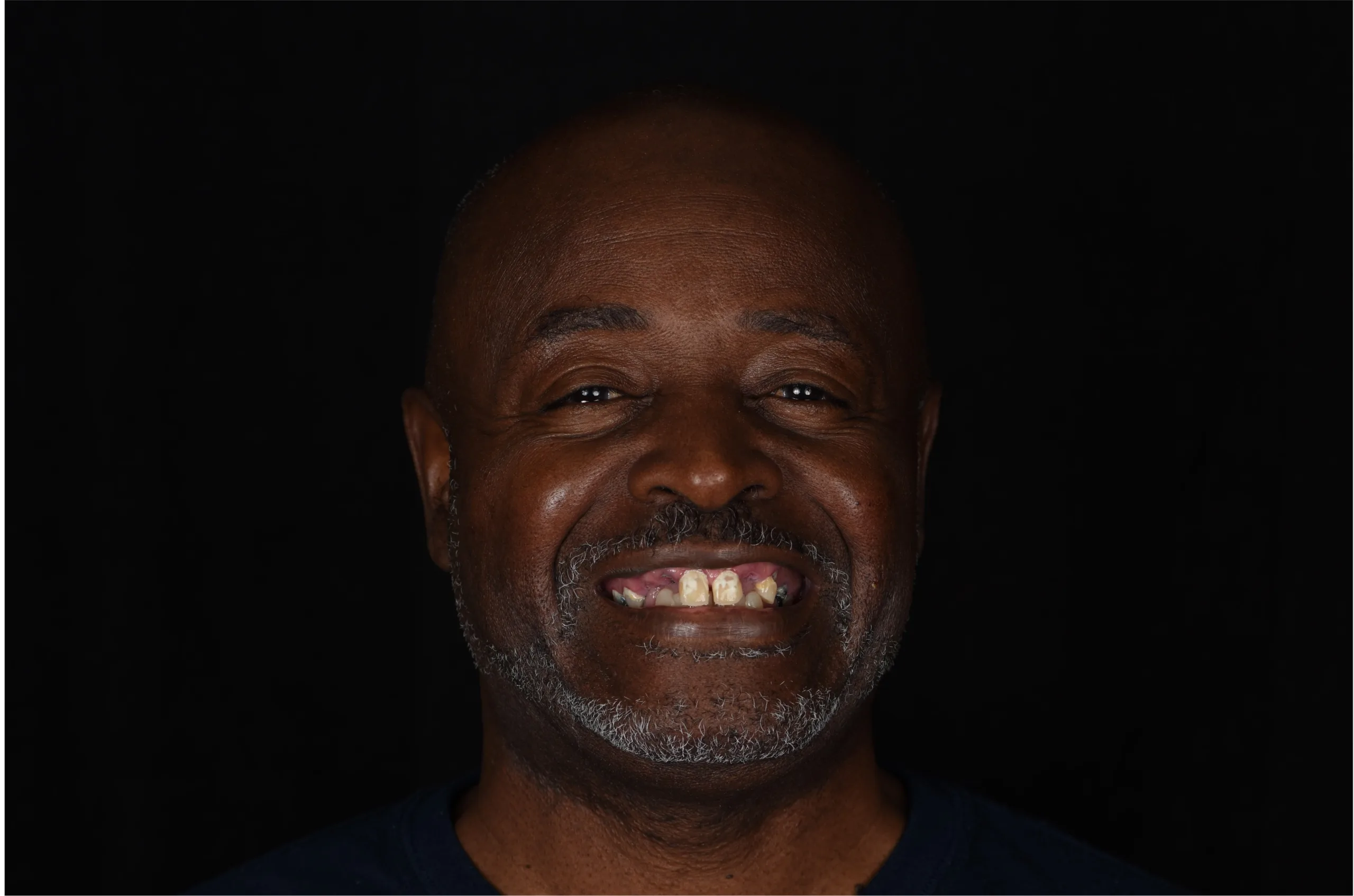
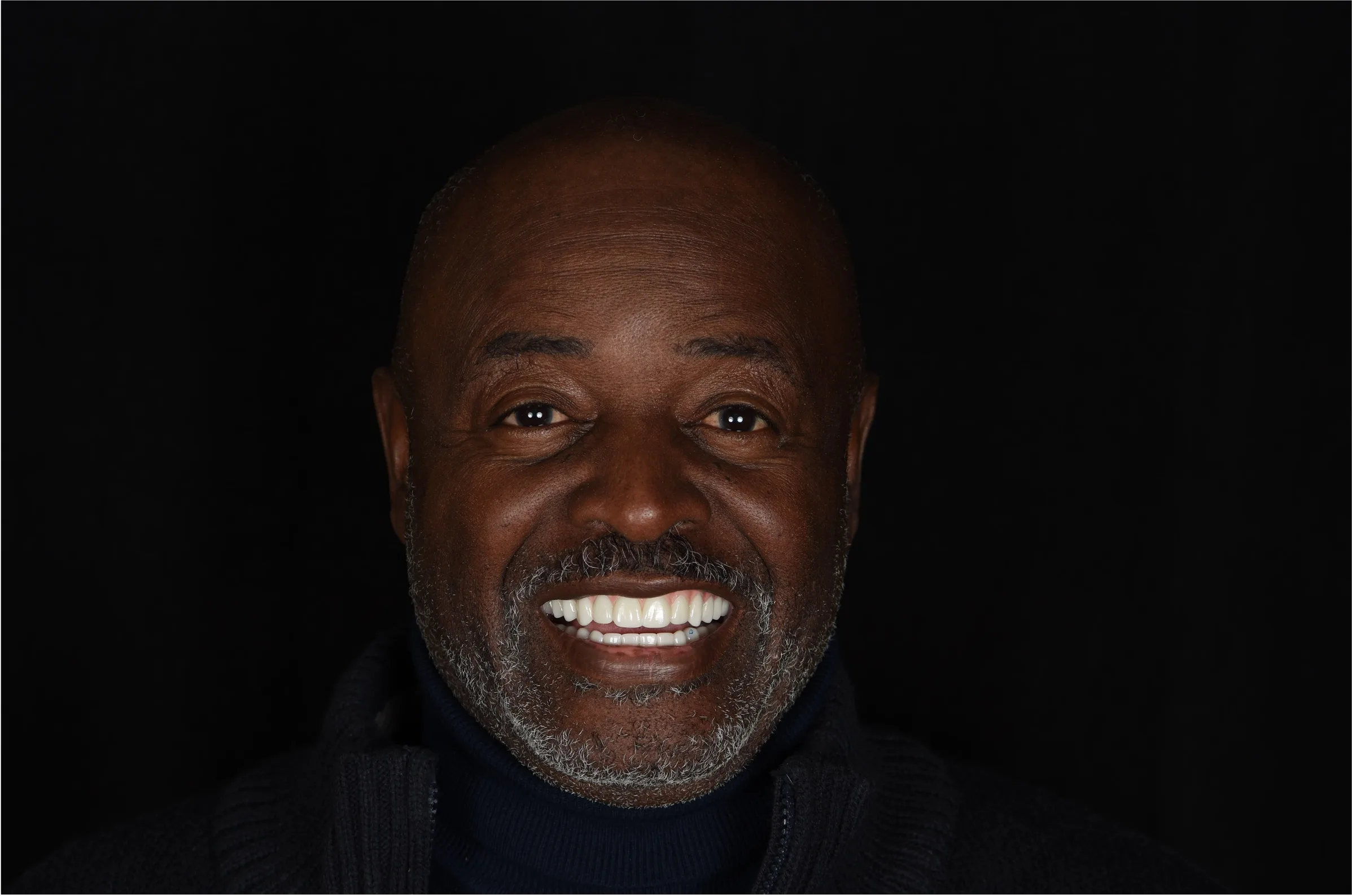
- Starting point
- Patient missing several teeth. The remaining teeth have gum disease.
- Treatment
- Removal of all remaining failed teeth, implant placement in the upper and lower jaws, and fixed full-arch restorations for both arches.
- Result shown
- Final, permanent set of upper and lower teeth
- Restorative clinician
- Dr. Paul Sung
Clear answers before commitment
Frequently Asked Questions
What is the difference between All-on-4 and All-on-X?
All-on-4 describes a full arch supported by four strategically positioned implants. All-on-X is broader because the appropriate number may be more than four. Anatomy, bone, bite and restoration design guide that choice.
Do all of my remaining teeth need to be removed?
Not necessarily. We first assess which teeth can be predictably preserved and whether full-arch treatment is appropriate. A fixed full-arch restoration replaces all teeth in the treated arch, but other approaches may allow you to keep some or all of your remaining teeth. We will explain those options before recommending removal.
Can I receive fixed teeth on surgery day?
When conditions support it, you may receive fixed temporary teeth on the day of surgery or the following day. This depends on implant stability, bone quality, infection, your health and your bite. These temporary teeth are used during healing; your final restoration comes later.
What if I have significant bone loss?
Bone loss changes planning but does not automatically rule out treatment. CBCT imaging helps evaluate available bone, sinus and nerve anatomy, grafting needs and alternative implant positions.
What sedation options are available?
Crown supports local anesthesia, nitrous oxide and oral sedation. IV sedation is available on site with a dental anesthesiologist. Your health history, procedure and individual needs guide the recommendation.
How long does complete treatment take?
Complete treatment takes several months, even when temporary teeth are placed on surgery day. Your implants need time to heal before the final restoration is completed. Preparatory grafting or staged treatment may extend the timeline. We will explain the expected sequence and timing for your case before treatment begins.
What can I eat while healing?
You will receive specific dietary instructions for your treatment. After surgery, follow a soft diet for two weeks and avoid hard, crunchy or sticky foods, seeds and nuts. Your doctors will guide your return to a normal diet based on healing.
How do insurance and payment work?
Crown Dental Club is an out-of-network practice. As a courtesy, we submit claims for available out-of-network benefits, with any reimbursement paid directly to you. Coverage and annual limits vary by plan.
Payment is due directly to Crown before the procedure. Case-by-case payment arrangements may be considered. We will explain your treatment fees and payment expectations before you decide to proceed.
The sensible next step
Your Complimentary Full-Arch Consultation
You will meet with one of our specialists and a patient care coordinator. Plan for approximately one hour.
What your visit includes
- 3D imaging to help evaluate your teeth, jawbone and surrounding anatomy.
- An examination of your mouth, including your teeth, gums and the tissues that support your teeth.
- A conversation about your concerns, goals, dental history and medical history.
There is no fee for the consultation. This visit is an opportunity to understand your condition and discuss your options before deciding what comes next.
Request your consultation using the form below. Our team will contact you to arrange your appointment. Submitting an inquiry does not commit you to treatment. Please do not include private medical information in the message field.
Results are not guaranteed, may not be permanent, and vary by individual. Clinical recommendations require an examination and appropriate records.
