



Dr. Scott Drucker · Board-Certified Periodontist
Periodontal & Surgical Care in Skokie
Advanced periodontal, implant, and surgical care, planned around your restorative needs and long-term health.
At Crown Dental Club, surgery can be coordinated with restorative dentistry and prosthodontics so each step supports the final result.
Contact Crown directly. No referral is needed.


Specialist expertise
Meet Dr. Scott Drucker
Dr. Drucker is a board-certified periodontist and Diplomate of the American Board of Periodontology, with advanced training in the care of gums, bone, dental implants, and the supporting structures of the teeth.
He completed his specialty training in periodontics at the University of Illinois Chicago after earning his DMD from the University of Pennsylvania.
Meet Dr. Drucker →When Gum Disease Requires More Than a Cleaning
Periodontal disease affects the gums and bone that support the teeth, but treatment does not always mean surgery. Whenever possible care begins conservatively, and for many patients, nonsurgical periodontal therapy can control inflammation and restore a healthier environment around the teeth.
If deep pockets, bone loss, or changes in the supporting tissues make certain areas difficult to keep clean and healthy, surgical treatment may be recommended to address those areas more predictably.
Pocket Reduction
Periodontal surgery can provide access to areas that cannot be adequately cleaned otherwise and reshape the supporting tissues so they are easier to maintain over time.
Periodontal Regeneration
In selected areas, regenerative treatment may help rebuild some of the bone and supporting tissues lost to periodontal disease. The shape of the area of bone loss and the condition of the tooth determine whether this approach is possible.
The goal is to help natural teeth — or replacement teeth — remain healthy and maintainable for as long as possible.
Gum Recession & Gum Grafting
Receding gums can expose tooth roots, cause sensitivity, and change the appearance of the smile. Not every area of recession needs treatment, but when grafting is recommended, it is usually for one or more of three reasons:
Reduce Sensitivity
Covering an exposed root can help reduce sensitivity to temperature and touch when the anatomy allows.
Improve Appearance
Grafting can restore a more natural gumline and improve the proportions of the teeth and smile.
Strengthen the Gum Tissue
Some teeth or implants have too little firm, protective gum tissue around them. Gingival grafting can add and strengthen this tissue to create a healthier, more maintainable foundation.
Your anatomy, tissue quality, and goals guide the choice of treatment, which may include connective tissue grafting, gingival grafting, or grafting with donor tissue (an allograft). When conditions allow, grafting can be performed using minimally invasive techniques.
Tooth Removal & What Comes Next
When a tooth cannot predictably be saved, removal may be the healthiest long-term option. Whenever possible, we plan what comes next before removing the tooth, considering the surrounding bone, gum tissue, and future replacement options from the start.
Careful Tooth Removal
A gentle approach to tooth removal can help preserve the surrounding bone and soft tissue, particularly when an implant is being considered.
Preserving the Site
In selected cases, bone grafting during tooth removal can help preserve the site for future treatment.
Same-Day Treatment When Appropriate
Same-day removal, implant placement, or a temporary tooth may be possible in selected cases, depending on your anatomy, health, and treatment plan.
How Can a Missing Tooth Be Replaced?
Removable Appliance
A removable appliance can replace one or more missing teeth.
Dental Bridge
A fixed bridge uses neighboring teeth to support a replacement tooth.
Dental Implant
A dental implant replaces a missing tooth without relying on neighboring teeth for support.
Explore Dental Implants →Bone Grafting & Implant Preparation
After a tooth is lost, the surrounding bone naturally changes and shrinks over time. When additional support is needed, bone grafting can help preserve or rebuild that foundation. It may be performed at the time of tooth removal, before implant placement, or during implant placement, depending on your treatment needs.
Socket or Ridge Preservation
Bone grafting at the time of tooth removal can help preserve the shape and volume of the area for future treatment.
Ridge Augmentation
When bone has already been lost, grafting can help rebuild the area in preparation for future treatment.
Sinus Augmentation
In the back of the upper jaw, the sinus may limit the amount of bone available for an implant. In selected cases, grafting in this area can help create the support needed for implant treatment.
The purpose of bone grafting is to create a stable foundation for the final tooth replacement.
Explore Dental Implants →Other Surgical Care
Focused procedures can be coordinated with your dentist or orthodontist as part of a broader treatment plan.
- Crown lengthening & gum contouring for restorative or cosmetic needs
- Orthodontic support: impacted-tooth exposure, frenectomy, and surgically facilitated treatment
- Wisdom tooth and retained or fractured root removal
- Biopsy and removal of selected oral lesions
- Tori removal and bone reshaping before restorative treatment
- Treatment of inflammation, bone loss, or gum recession around implants
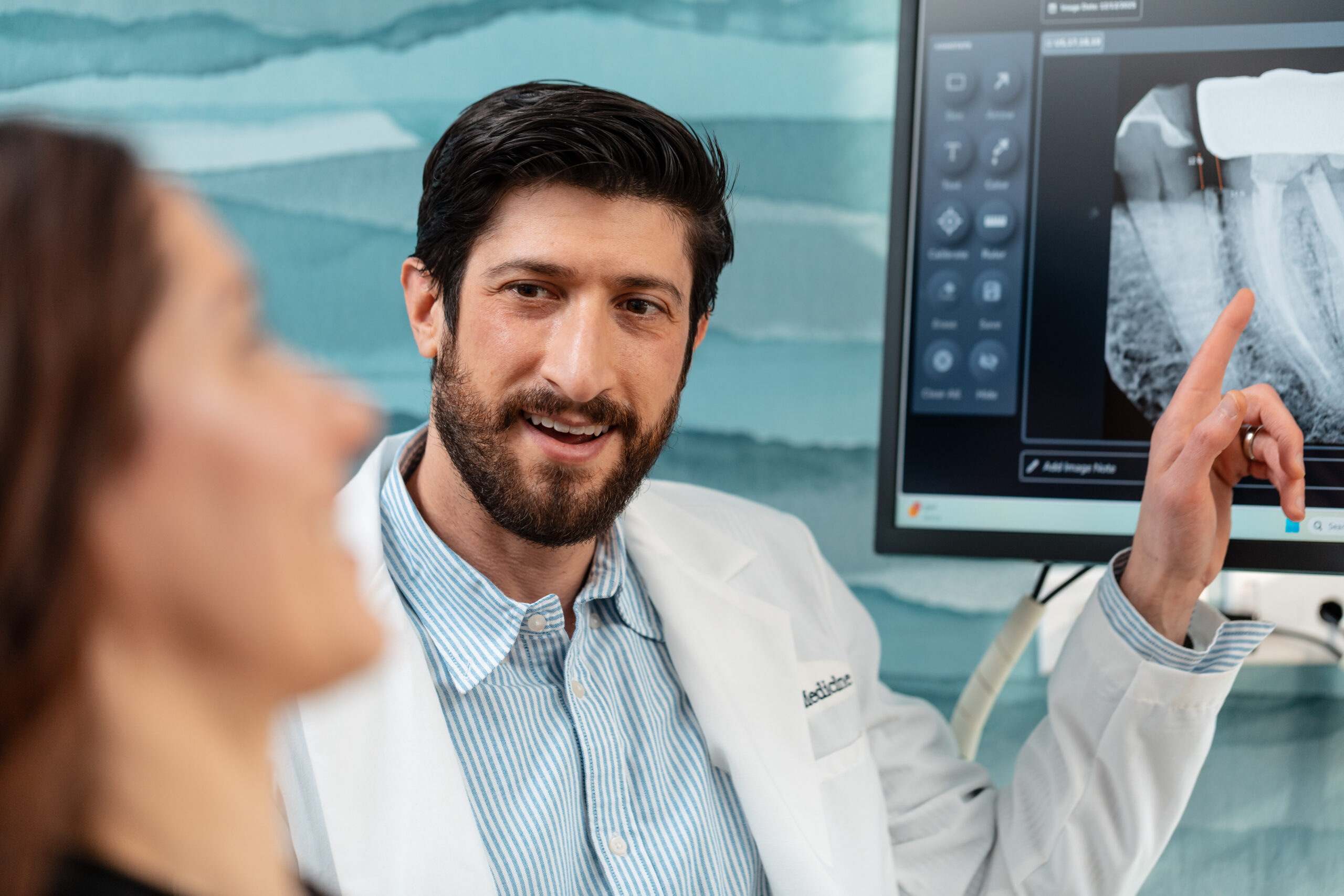
Advanced Imaging & Digital Planning
When needed, 3D imaging (CBCT) and TRIOS 6 digital scans help us understand your anatomy and coordinate surgery with the final restoration. We use digital implant planning and surgical guides when they add value to your care.
Surgery Planned Around the Final Result
Tooth removal, bone grafting, crown lengthening, and implant surgery are planned around the teeth and restorations they will support. When care calls for a coordinated approach, Dr. Drucker works closely with Dr. Paul Sung, prosthodontist, and Crown’s restorative dentists.
Dr. Scott Drucker
Board-Certified Periodontist
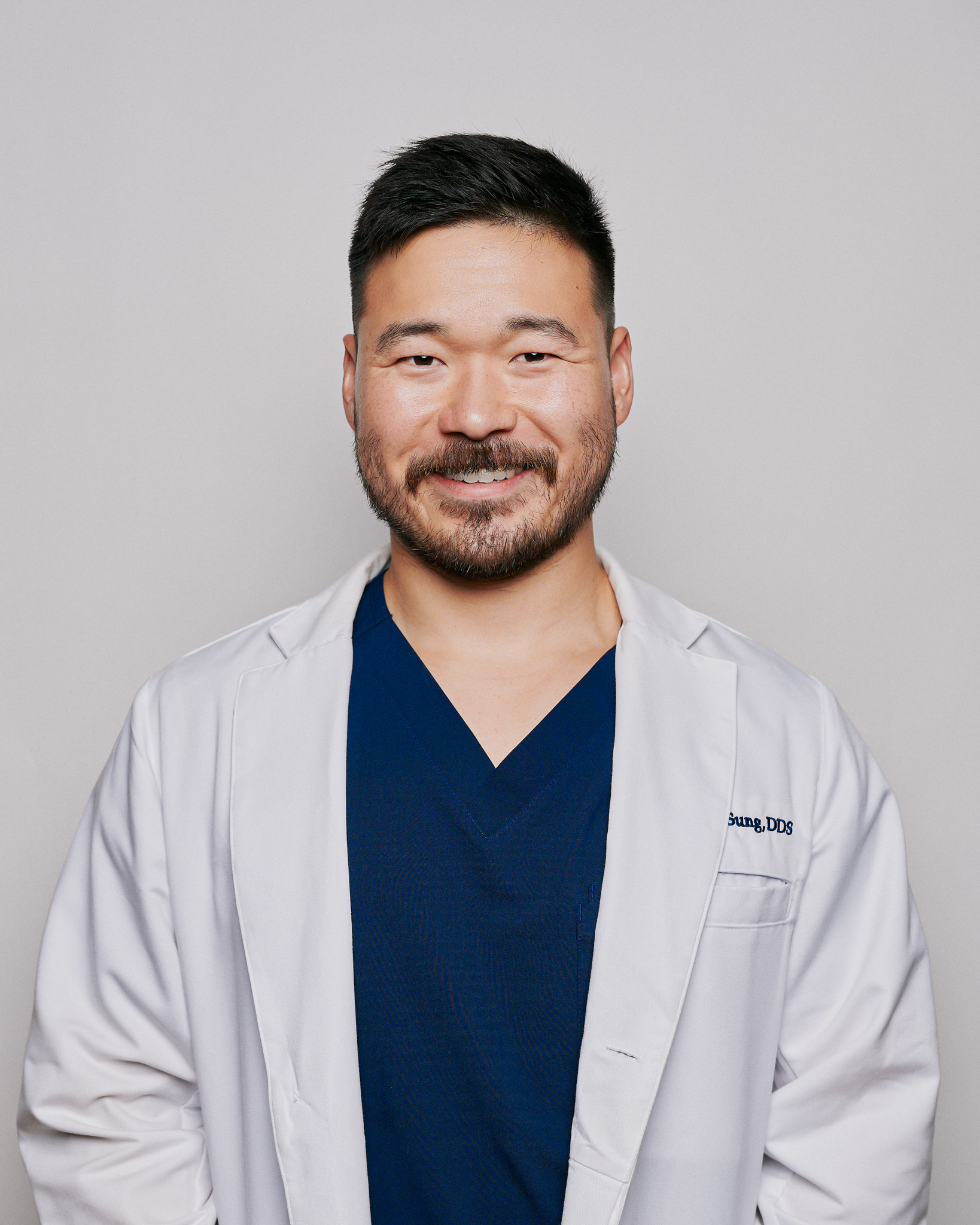
Dr. Paul Sung
Prosthodontist
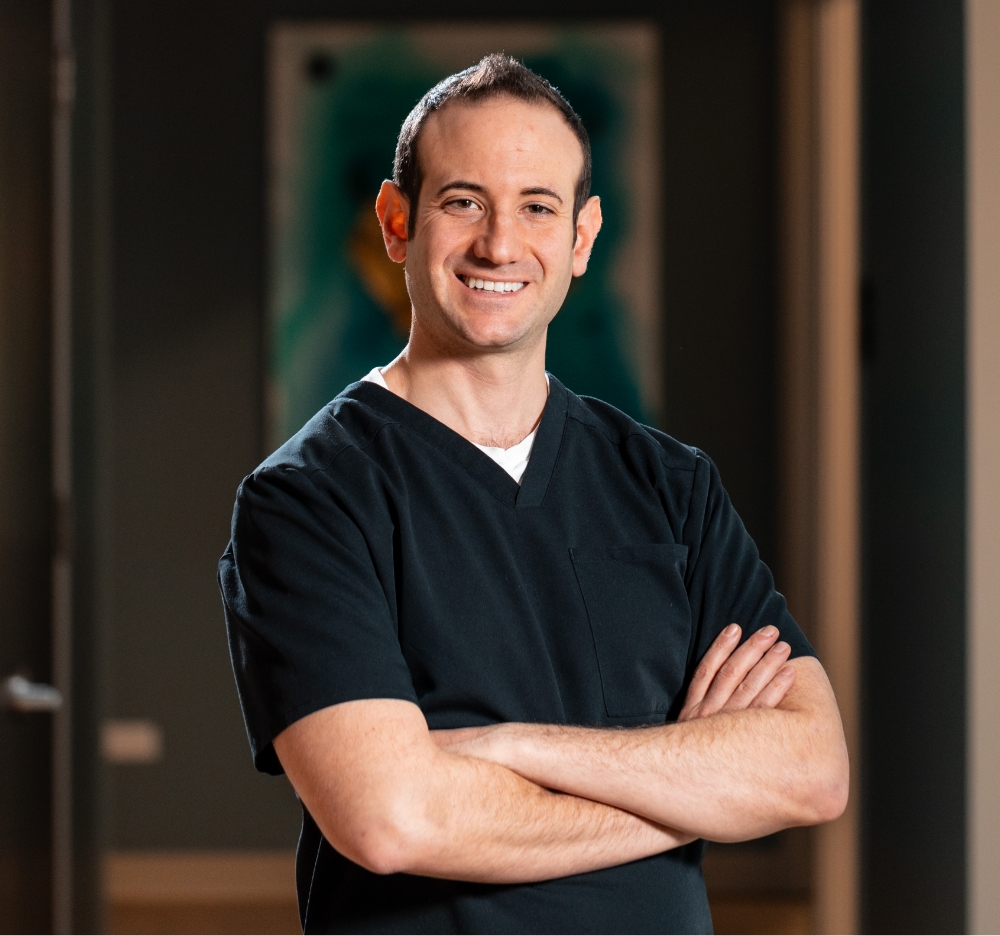
Dr. Michael Levi
Restorative Dentist
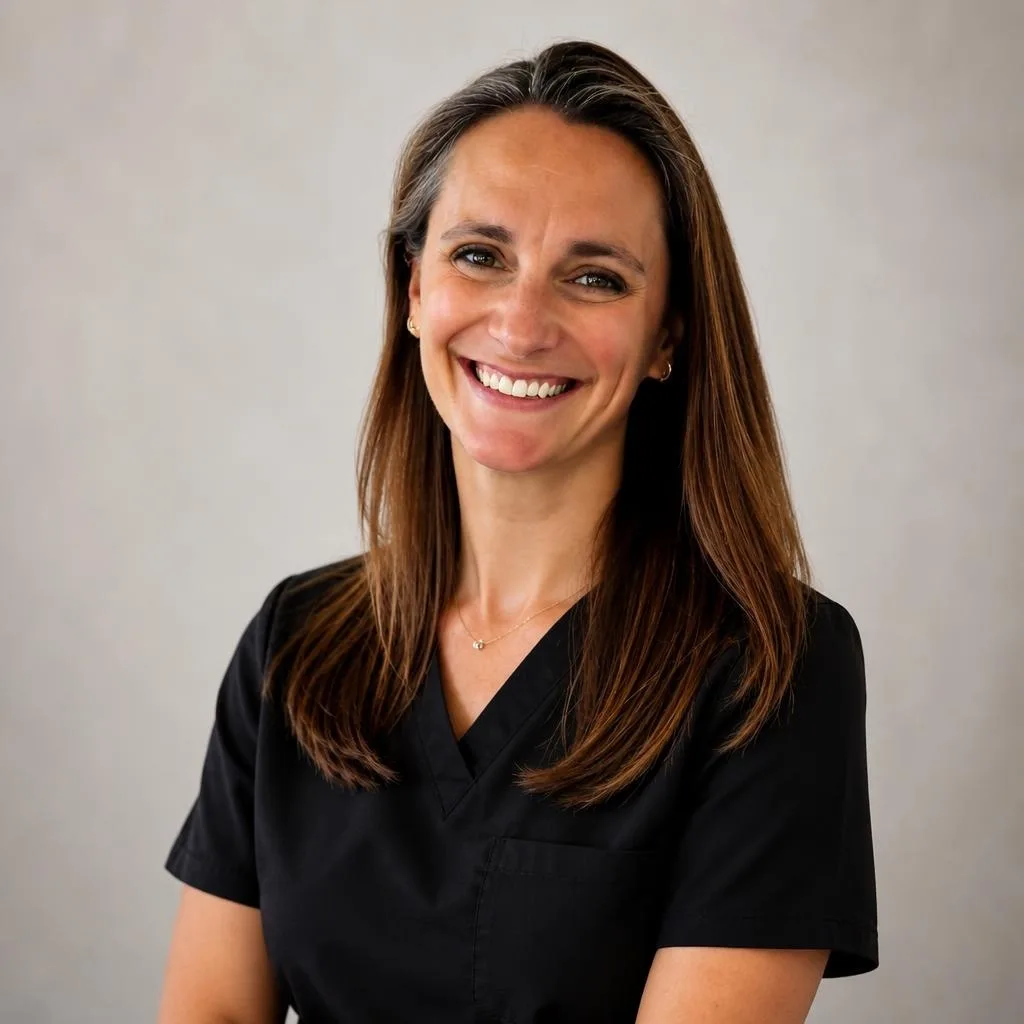
Dr. Jennifer Mullarkey
Restorative Dentist
If you already have a trusted dentist or orthodontist, we can coordinate directly with that doctor.
A More Comfortable Surgical Experience
Care takes place in a calm, private setting with appropriate local anesthesia. Additional options may include oral sedation or anesthesiologist-supported IV sedation, based on your needs and medical history.
Clear instructions, follow-up from our team, and direct access to the doctor for postoperative concerns help you feel supported.
A Clearer Second Opinion
If you have been told you need gum surgery, a bone graft, tooth removal, or dental implants, a second opinion can help clarify the diagnosis, alternatives, and long-term implications.
We consider whether a natural tooth can be predictably preserved and how each option may affect neighboring teeth, bone, and future treatment. To help with that review, bring any imaging or treatment plans you already have.
Have Our Team Reach Out
Tell us what you would like help with, and our team will follow up using your preferred contact method to discuss a surgical consultation.
The consultation costs $250 and includes any imaging or additional diagnostic information needed. If you proceed with treatment at Crown, the fee is applied toward your treatment.
You may contact us directly without a referral.
